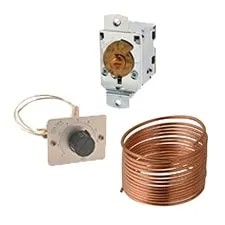
Commercial Refrigeration
...
...
...
...
...
...


Online Shopping!
Commercial refrigeration equipment is a critical component of restaurant kitchens, as storage is a key factor in keeping food fresh. Whether you run a restaurant, bar, café, food truck, or any other food service establishment, you need to select suitable commercial kitchen refrigeration to ensure your customers receive fresh food. In addition, the right commercial refrigeration system will keep food at the appropriate temperature, improve daily operations, and reduce the risk of foodborne illness.
Commercial refrigeration equipment differs from residential equipment primarily because it is heavy-duty, built for high-volume storage and frequent use. Designed with stainless steel exteriors and interiors resistant to acidic spills and humidity, they can withstand the demands of a busy commercial kitchen.
In contrast, residential refrigerators are not designed to cool or freeze as quickly, which is critical in the high-temperature environment of a commercial setting. Additionally, the frequent opening and closing of residential units makes it difficult to maintain consistent temperatures, increasing the risk of bacterial growth and foodborne illness.
In compliance with the FDA Food Code, commercial refrigerators must maintain an internal temperature of 40°F (4.44°C), and commercial freezers should keep food between 10°F and 5°F (-12.12°C and -15°C) to ensure safety and quality.
Commercial refrigeration equipment is reliable, durable, and efficient for heavy-duty use in kitchens. They enable you to keep fresh food longer, increase kitchen efficiency, and save money.
Commercial refrigeration equipment is mostly energy-efficient. You can find many ENERGY STAR-certified brands offering products that meet U.S. Department of Energy standards. Brands such as True Refrigeration, Turbo Air, Manitowoc, Hoshizaki, Atosa, Beverage-Air, Delfield, Traulsen, and Migali are well known for energy-saving products.
Commercial refrigeration equipment is functional.
Commercial refrigeration equipment comes with a warranty tailored for the demanding conditions of a commercial setting, a guarantee not provided for residential units when used in high-traffic business environments.
There are 13 types of commercial refrigeration equipment, each designed to meet different business needs, capacities, and menu offerings. When selecting the right system for your kitchen, it's essential to evaluate the unit's size, including weight, width, height, and depth, as well as its capacity and ventilation requirements. Additionally, consider the manufacturer's reputation, customer service, and equipment maintenance requirements to ensure alignment with your operational needs.
Commercial Refrigeration Systems are:
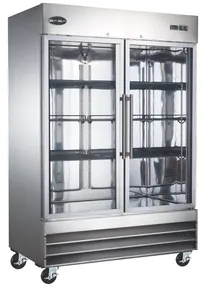
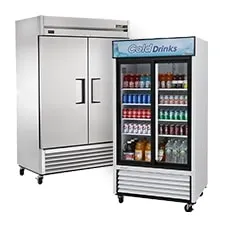
Commercial Refrigerators
Commercial Freezers
Commercial Refrigerators and Freezer Combi
Commercial Ice Cream Makers and Freezers
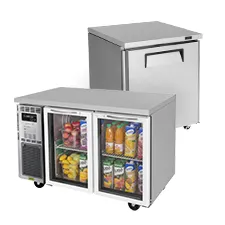
Worktop Refrigerators and Freezers
Walk-in Refrigeration
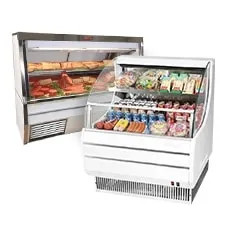
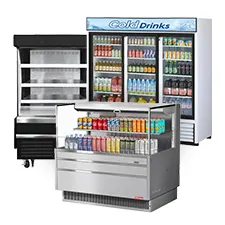
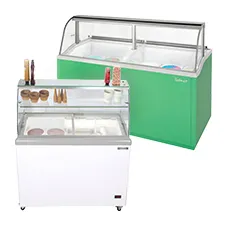
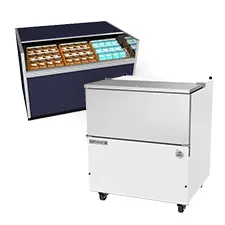
Refrigerated Display Cases
Refrigerated Prep Tables
Specialty Refrigerators
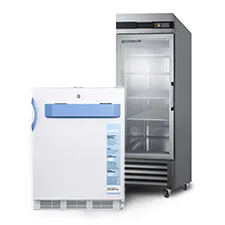
Medical Refrigeration
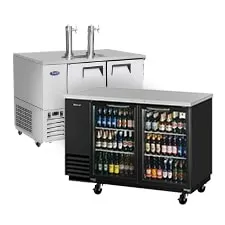
Bar Refrigeration
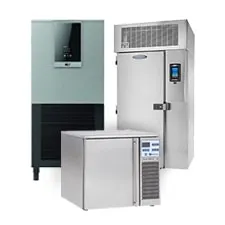
Blast Chillers
Chef Bases
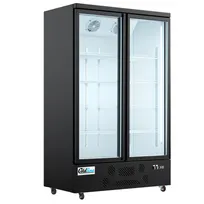
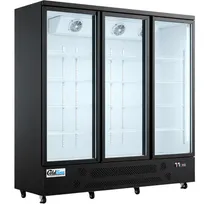
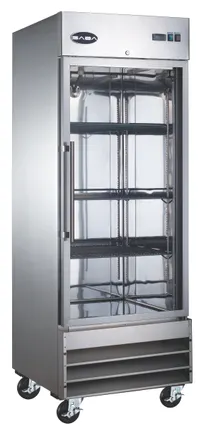
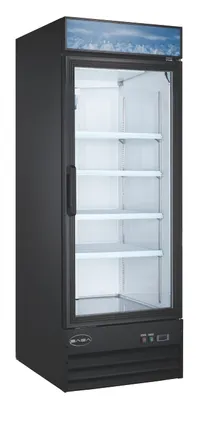
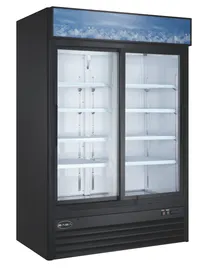
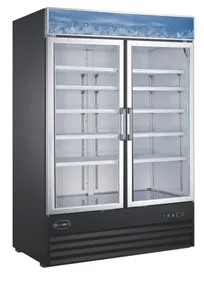
Commercial refrigerators keep beverages cool and food fresh, contributing to the presentation and quality of meals served. Refrigerators in the commercial sector are indispensable for various food service entities, including restaurants, bars, cafés, and food trucks. Commercial fridges are designed to operate under heavier, busier conditions. These commercial coolers offer 5 key benefits: powerful condensers/compressors, larger storage capacity, extended chill maintenance, the ability to cool larger spaces, and temperature stability despite frequent door openings.
Commercial freezers are designed to keep perishable foods and ingredients at freezing temperatures, prolonging shelf life and preventing spoilage. While refrigerators operate between 33°F and 40°F, commercial freezers operate between -10°F and 10°F. Common types include reach-in, undercounter, chest, merchandising, and ice cream freezers.
Also called dual-temp refrigerators, these units combine both functions in a single unit. They consist of multiple insulated compartments to maintain different temperatures for frozen and refrigerated goods in one place.
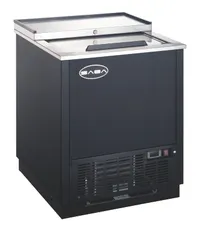
This includes bottle coolers, back-bar coolers, keg coolers, glass frosters, wine coolers, and glycol-powered draft beer chillers. These units are ideal for stylishly storing beverages while creating an attractive background for a bar or restaurant.
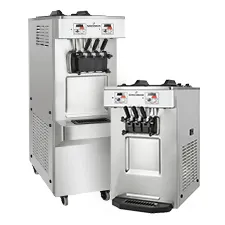
These units, including soft-serve and gelato machines, are essential for preparing and storing ice cream. They allow businesses to create delicious tastes and attract customers with frozen treats.
These cases keep food safe while drawing customer attention. They are used for a wide range of products, including chocolate, seafood, sushi, bakery items, fruits, and vegetables.
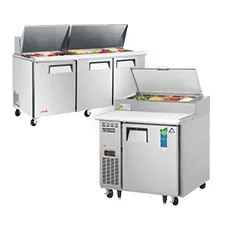
Commonly used for pizzas and salads, these combine a work surface with refrigeration. They keep ingredients fresh and at arm's reach, accelerating food preparation and improving workflow efficiency.
Blast chillers (or freezers) rapidly cool cooked or baked food to prevent bacterial growth, significantly extending product shelf life.
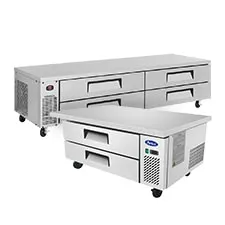
Chef bases keep ingredients near the cooking station. Because heavy equipment such as fryers and ovens can be placed on top of them, they reduce staff movement and prevent accidents in busy kitchens.
This category includes specific units, such as School Milk Coolers or Breast Milk Refrigerators, designed for environments such as cafeterias, daycare centers, or employee wellness rooms.
Large-scale refrigerators or freezers that offer substantial space for bulk storage. They are customizable to fit specific dimensions and are ideal for high-volume businesses.
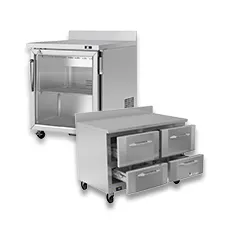
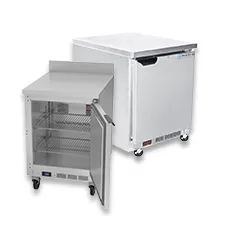
These combine cold storage with a sturdy work surface, making them ideal for kitchens with limited space where staff need to prepare food directly above the ingredients.
Specially designed for healthcare settings to store vaccines, medications, and biological samples. They feature precise temperature controls, locks, and alarms for compliance with health standards.
Parts and accessories such as thermometers, thermostats, rack shelves, and condenser units help keep systems running smoothly, extending equipment life and improving overall efficiency.